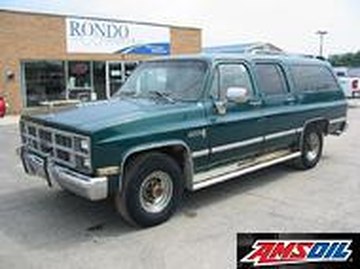
Engine Oil Maintenance for the 1983 GMC Trucks Suburban 7.4L
Maintaining the lubrication system in a large-displacement engine requires consistent attention to both the oil and the filtration components. For the 1983 GMC Trucks Suburban equipped with the 7.4L engine, ensuring that the correct parts are used during service intervals is a fundamental aspect of vehicle upkeep.
What oil filter does my 1983 Gmc Trucks SUBURBAN 7.4L need?
The AMSOIL Ea Oil Filters EAO24-EA are listed for this vehicle.
Understanding the Role of the Oil Filter
The oil filter serves as a critical component in the engine's lubrication circuit. Its primary function is to capture contaminants that naturally accumulate within the engine during operation. These contaminants can include microscopic metal particles, carbon deposits, and dust. By trapping these elements, the filter helps prevent them from circulating through the engine's internal passages and bearing surfaces.
When performing an oil change, it is standard practice to replace the filter at the same time as the oil. A saturated or clogged filter can restrict the flow of fresh lubricant, potentially leading to increased wear or inadequate pressure within the lubrication system. Regularly inspecting the filter for signs of damage or improper installation during routine maintenance helps ensure the integrity of the entire system.
Engine Oil Management and Monitoring
Regularly checking the engine oil level is one of the most effective ways to monitor the health of a vehicle's lubrication system. Fluctuations in oil levels can indicate various conditions, such as consumption or external leaks. Using the manufacturer-provided dipstick allows for quick assessments between scheduled service intervals.
The color and texture of the oil can also provide useful information. While oil will naturally darken over time due to the accumulation of combustion byproducts, extremely dark or gritty oil may suggest that a service interval has been exceeded. Similarly, if the oil appears milky or cloudy, it could indicate the presence of moisture or coolant within the lubrication system, which requires immediate professional inspection.
Maintaining Proper Lubrication Pressure
Engine oil pressure is vital for ensuring that every moving part receives an adequate film of lubricant. This pressure is maintained by the oil pump and regulated through various passages and the filter. If a vehicle experiences a drop in oil pressure, it is important to address the issue immediately to prevent mechanical damage.
Common causes for pressure fluctuations can include low oil levels, a failing oil pump, or a restricted oil filter. Because the 7.4L engine relies on consistent lubrication to manage the heat and friction generated during operation, monitoring dashboard warning lights related to oil pressure is an essential habit for any operator.
Service Intervals and Documentation
To maintain the longevity of the engine, it is necessary to adhere to a regular maintenance schedule. Because specific mileage or time intervals are not provided in this technical summary, you should consult your owner's manual or follow the manufacturer's recommended maintenance schedule for your specific vehicle.
Keeping a detailed record of when oil and filters were changed can help prevent missed services. Documentation should include the date of service, the components replaced, and any observations made regarding the condition of the old oil or filter. This practice assists in tracking the long-term maintenance history of the vehicle.
Preventing Oil Leaks
Oil leaks can lead to low oil levels and environmental contamination. These leaks often originate from gaskets, seals, or the oil filter itself. Common areas for potential leakage include the valve cover gaskets, the oil pan gasket, and the crankshaft seals. A loose or improperly seated oil filter is also a frequent source of leaks.
If you notice oil spots on your driveway or smell burning oil while the engine is running, it is advisable to inspect the engine compartment for signs of seepage. Addressing small leaks early can prevent more significant issues, such as oil starvation or damage to other engine components caused by oil contacting hot surfaces.
BUYING ENGINE OIL
When you are ready to purchase lubrication for your vehicle, always refer to the manufacturer's requirements regarding fluid specifications. While this guide focuses on filtration and general maintenance, selecting a high-quality lubricant is a key part of the process. Check your owner's manual for any specific guidance provided by the manufacturer to ensure you are using the appropriate product for your engine's needs.